The best planters for your balcony plants
What plant pots do you need to transform your drab balcony into a flourishing and productive plant oasis? We've put together tips on what to look out for when choosing, so you can select the right flower pots for your balcony and your plants.
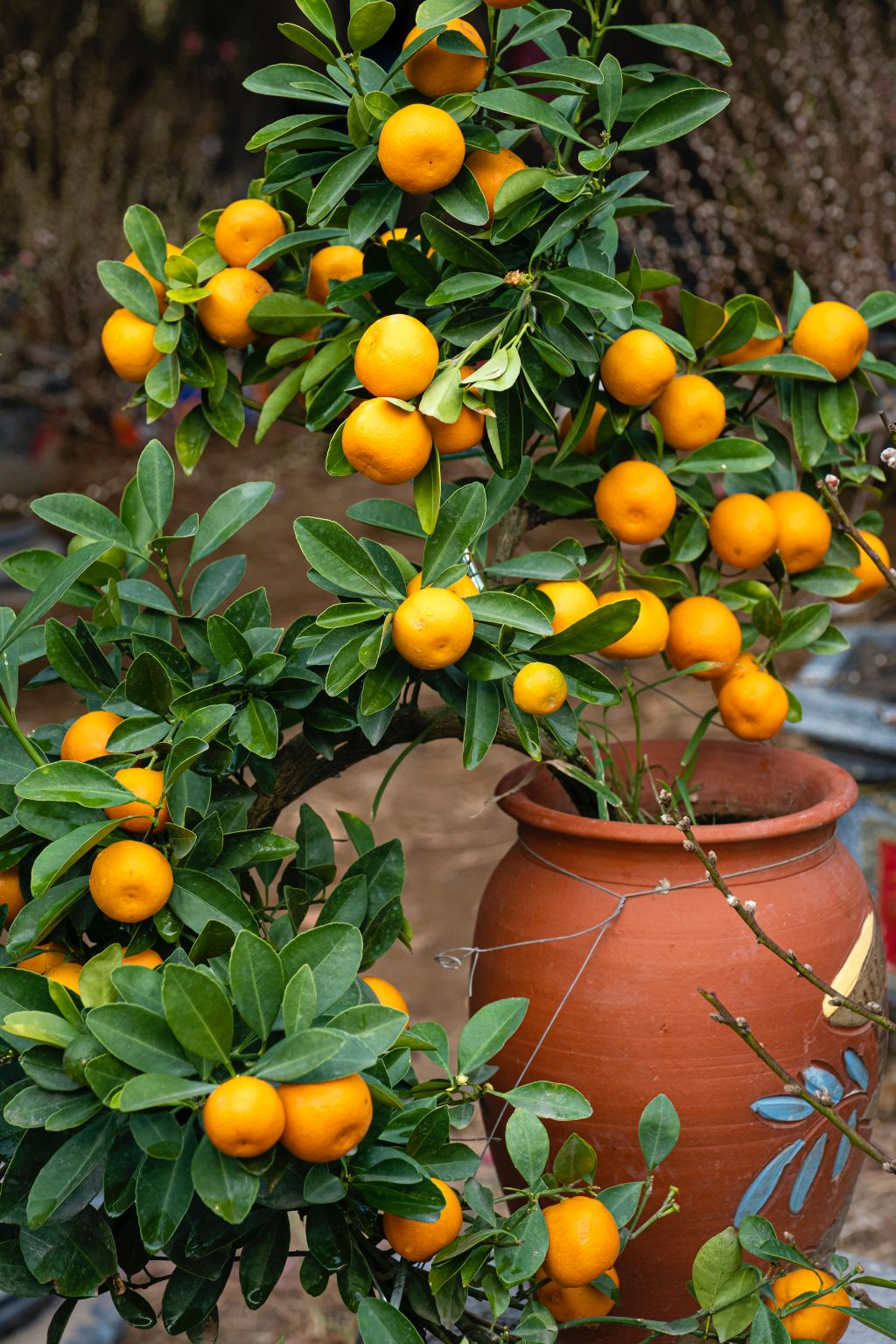
In the beginning, there was the flower pot. At least, when it comes to starting your balcony gardening journey. Have you decided to make the most of your balcony this year and turn it into a green oasis? Excellent! But hardware stores are stacked floor-to-ceiling with planters, and in online shops, you can scroll seemingly into oblivion. This can quickly dampen your initial enthusiasm. Our tips will help you make a choice. By answering the following questions, you'll quickly find what you need for your balcony planting:
- Which plants should grow on your balcony?
- How much space do you have on your balcony? Which locations are suitable?
- Which materials suit your balcony?
- What do you like aesthetically about your balcony? What do you want to hide?
-
Which plants suit your balcony, and which ones would you like to enjoy?
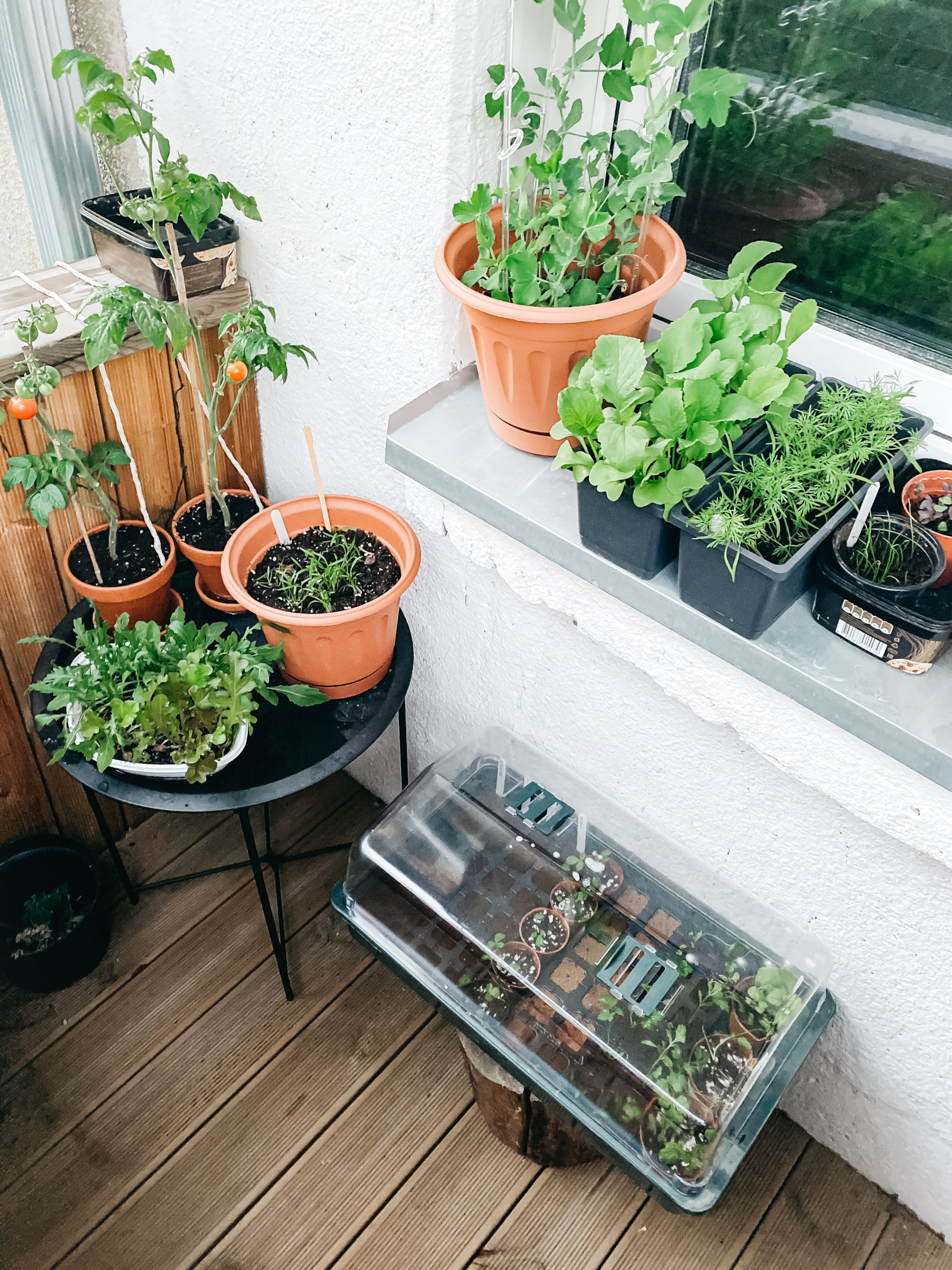
Which pot is right for my balcony plants?
Do you already have a specific plant in mind for your balcony? Then you can plan from there. Besides the location, the right flower pot plays a crucial role in the selection. For the selection, it's essential how much space your plant needs for its root system. Pay attention to whether your plant is a deep-rooted or shallow-rooted plant. Deep-rooted plants need a lot of soil volume and depth – planters are better suited here than flower boxes. Shallow-rooted plants need more horizontal space, but in terms of depth, flower boxes, for example, are sufficient. In any case: the more space, the better!
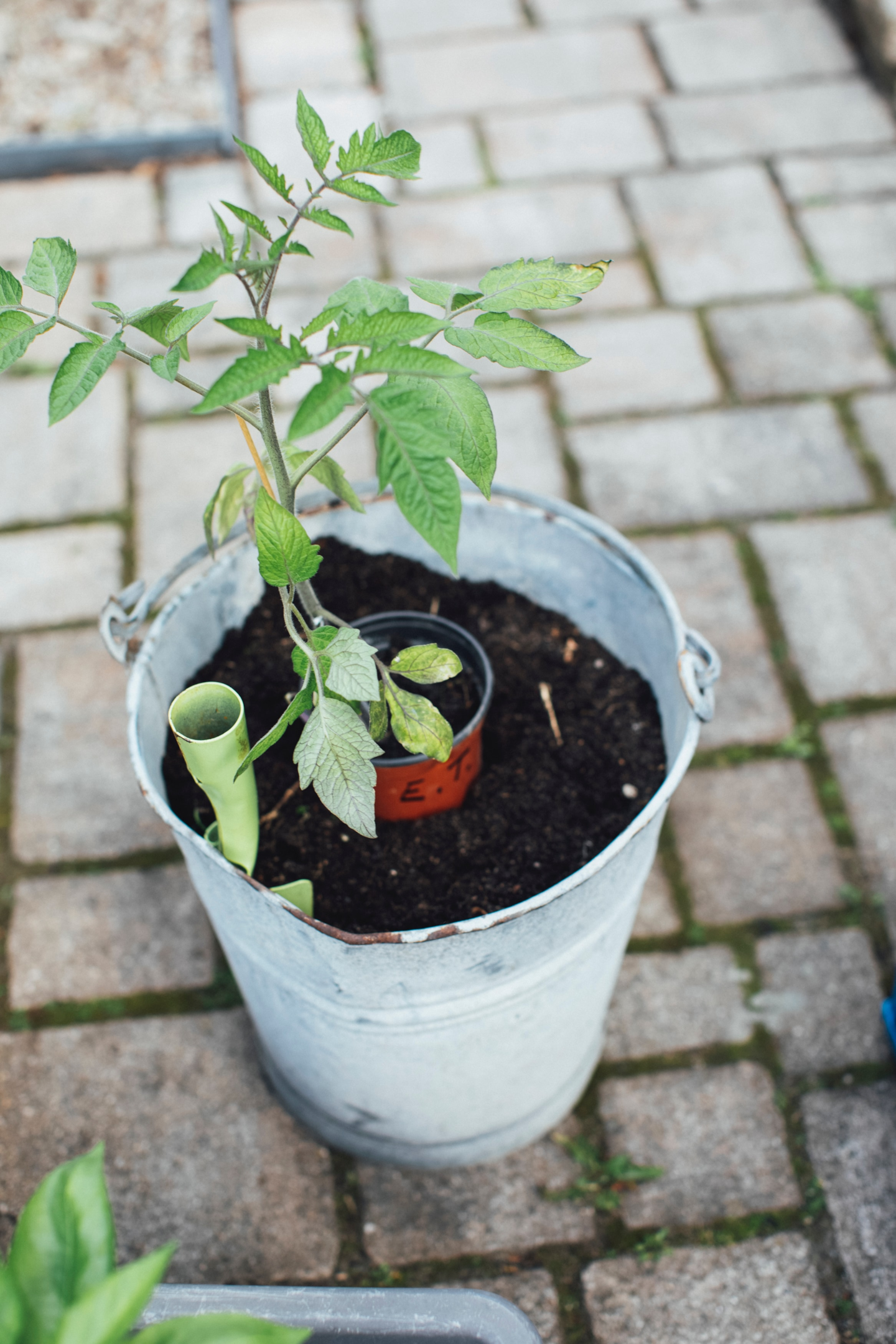
Beware of waterlogging:
No matter which balcony pots you choose, pay attention to proper watering. If you are not working with an irrigation system, you should ensure drainage to avoid waterlogging. Otherwise, your plant can quickly mold.
But how big should the flower pot actually be? Orient yourself by the mature size of the respective plant. For herbs, a small pot of 12 cm is often sufficient. For vegetables and plants that need a lot of power to grow tall, you should plan for at least 20 cm. And if you want to get into vegetable gardening and grow zucchini, pumpkins & co., you shouldn't skimp and count on 30 cm.
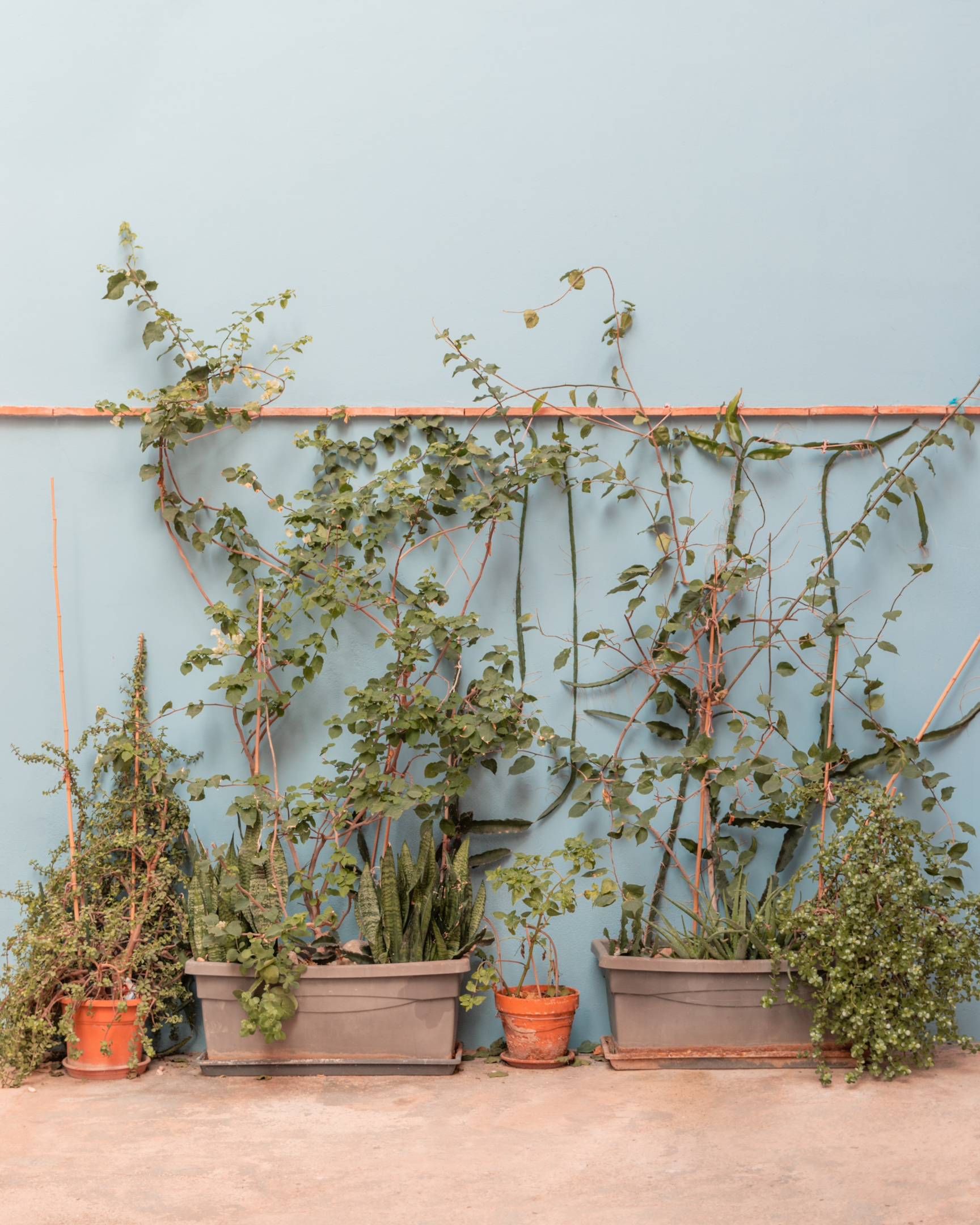
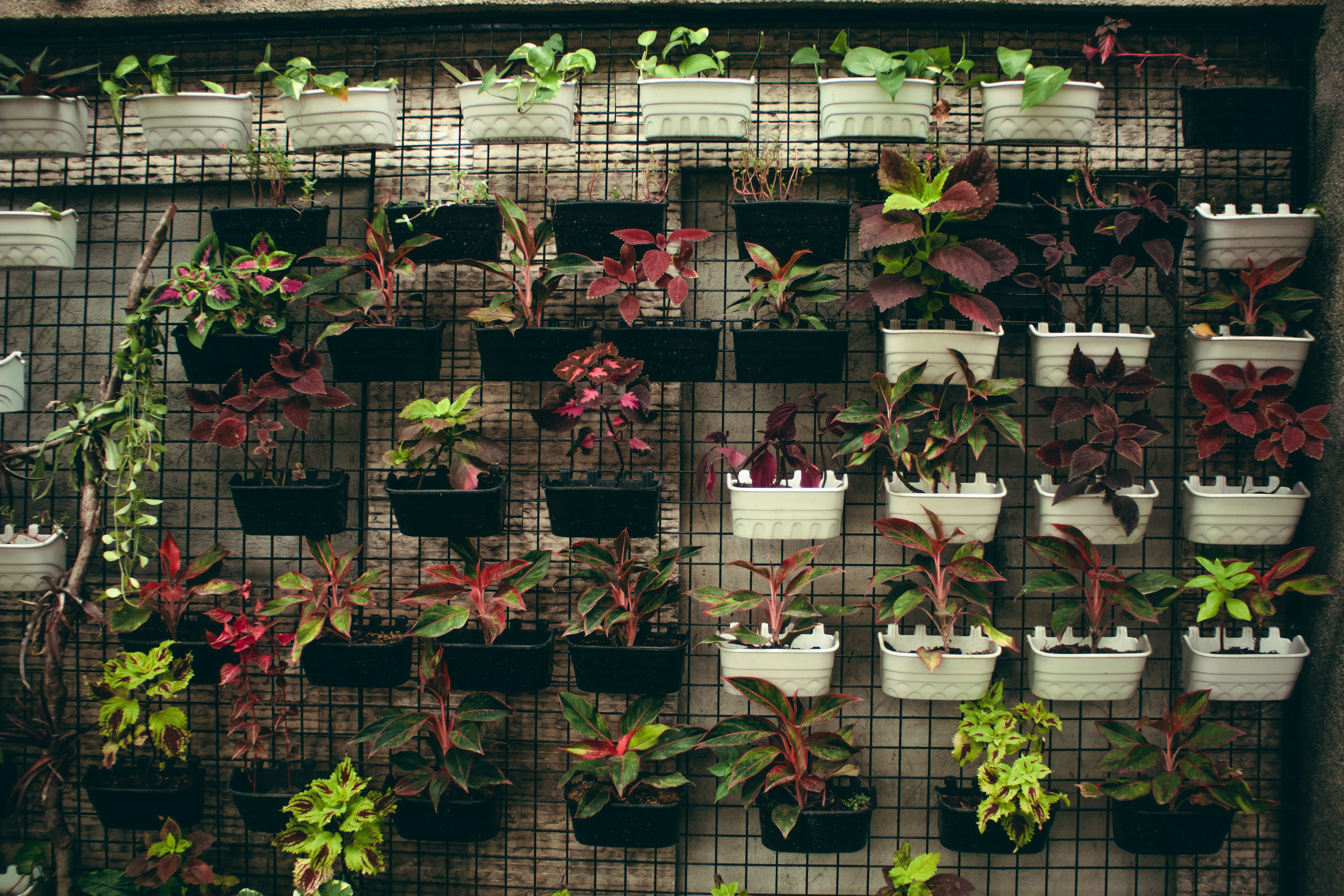
Little space for plants on the balcony? Think vertically!
If you don't have a specific plant in mind yet, consider how you want to green your balcony and then choose suitable plants later. All urban gardening fans with a balcony face the same challenge: limited space. But that's no excuse, and especially since the rise of vertical gardening, you can create visual highlights with plants and even construct a privacy screen. Even the smallest space can bring joy to you and the bees with beautiful flowers or even become a vegetable garden. There are several solutions for balcony plants:
The classic for railings: balcony boxes
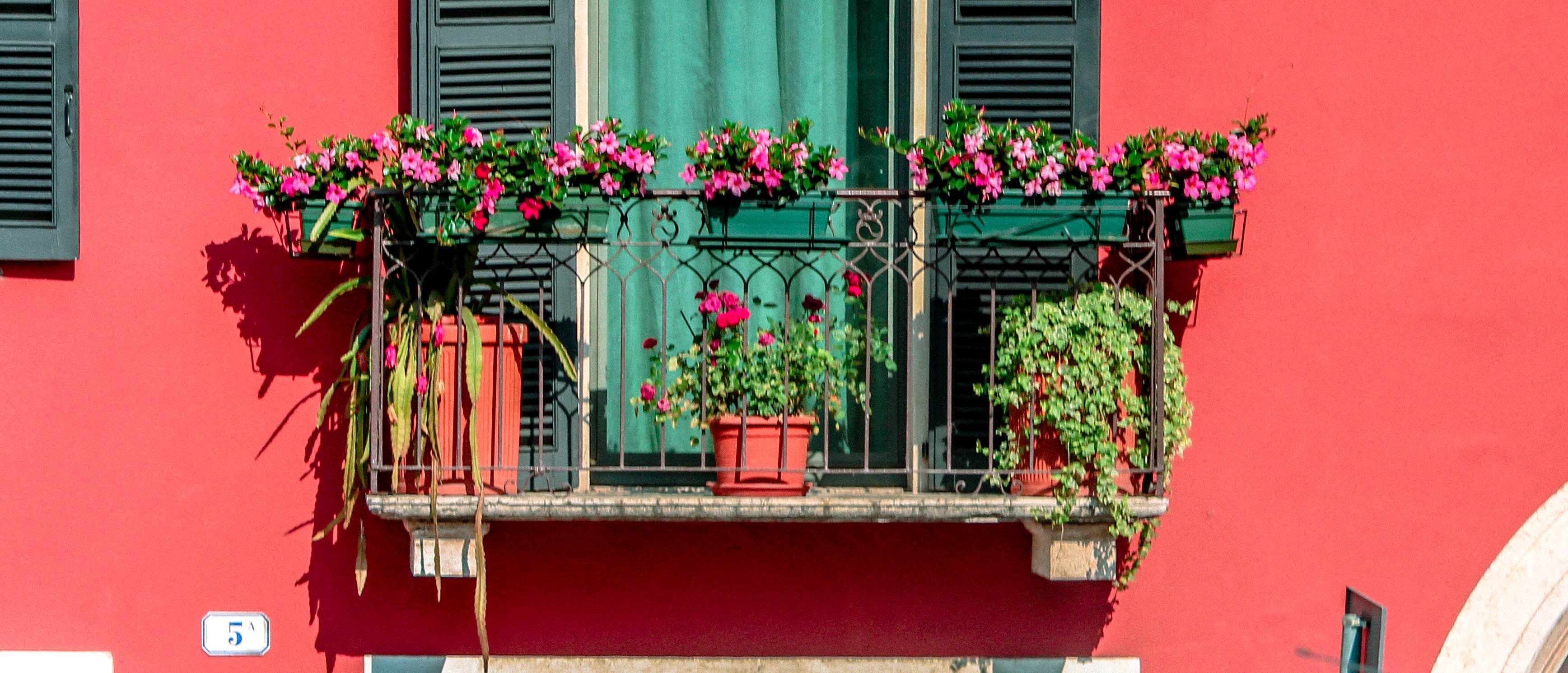
Our grandmothers already had balcony boxes for flowers, and Grandma, after all, knows what's good. They are hung on the balcony railing – which is also allowed on the outside if properly secured – and thus take up no space. There are various systems for attaching them to the balcony balustrade. Either a suspension is integrated, or you get a separate system. It is particularly practical that these holders can be used for different sizes, so you can get suitable planters depending on your plant wishes.
My tip for more nature on the balcony:
Balcony boxes can not only be decorated with the typical geraniums or petunias, but with herbs or bee-friendly wildflowers, they become a home for nature. You can easily find planting ideas for this on the internet.
There are also flower pots that are attached to the railing. These are usually a bit larger and especially suitable if you want to grow vegetables or need space to separate your plants.
Hiding corners: plant towers and shelves
Have you ever heard of a plant tower? Here, instead of planting side by side in a bed, plants are simply grown on top of each other – and this also works in the city on a small balcony. Potatoes, in particular, thrive here, but you can also plant strawberries, herbs, or flowers. You can also utilize the height by stacking the pots on a shelf. A vertical garden that neatly recedes into the corner. And the best part: you don't have to build, screw, or install anything. And you can also build a privacy screen directly this way.
Green walls and ceilings: climbing aids and hanging baskets
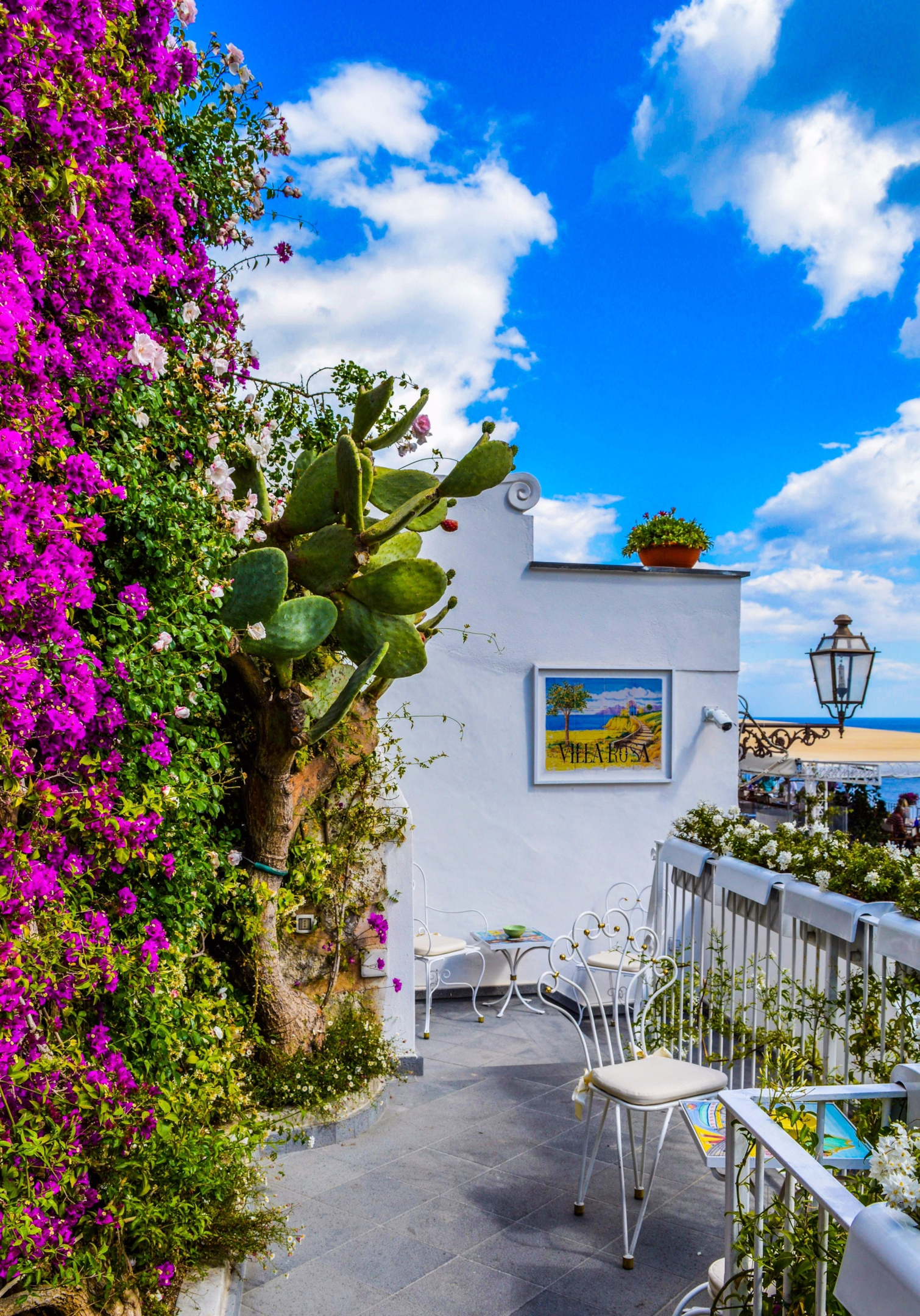
Gray balcony wall? Hide it behind plants! Visually, this can make a huge difference and transform your balcony into a small jungle – a privacy screen against gray, so to speak. Work with climbing aids, hanging baskets, or plant bags; there are no limits to creativity. Upcycling is also an option. Do you have old pipes? Tinker with them! For Tetrapaks, you can simply open the bottom and hang them up. And who would have thought: old tin cans can look pretty good when planted.
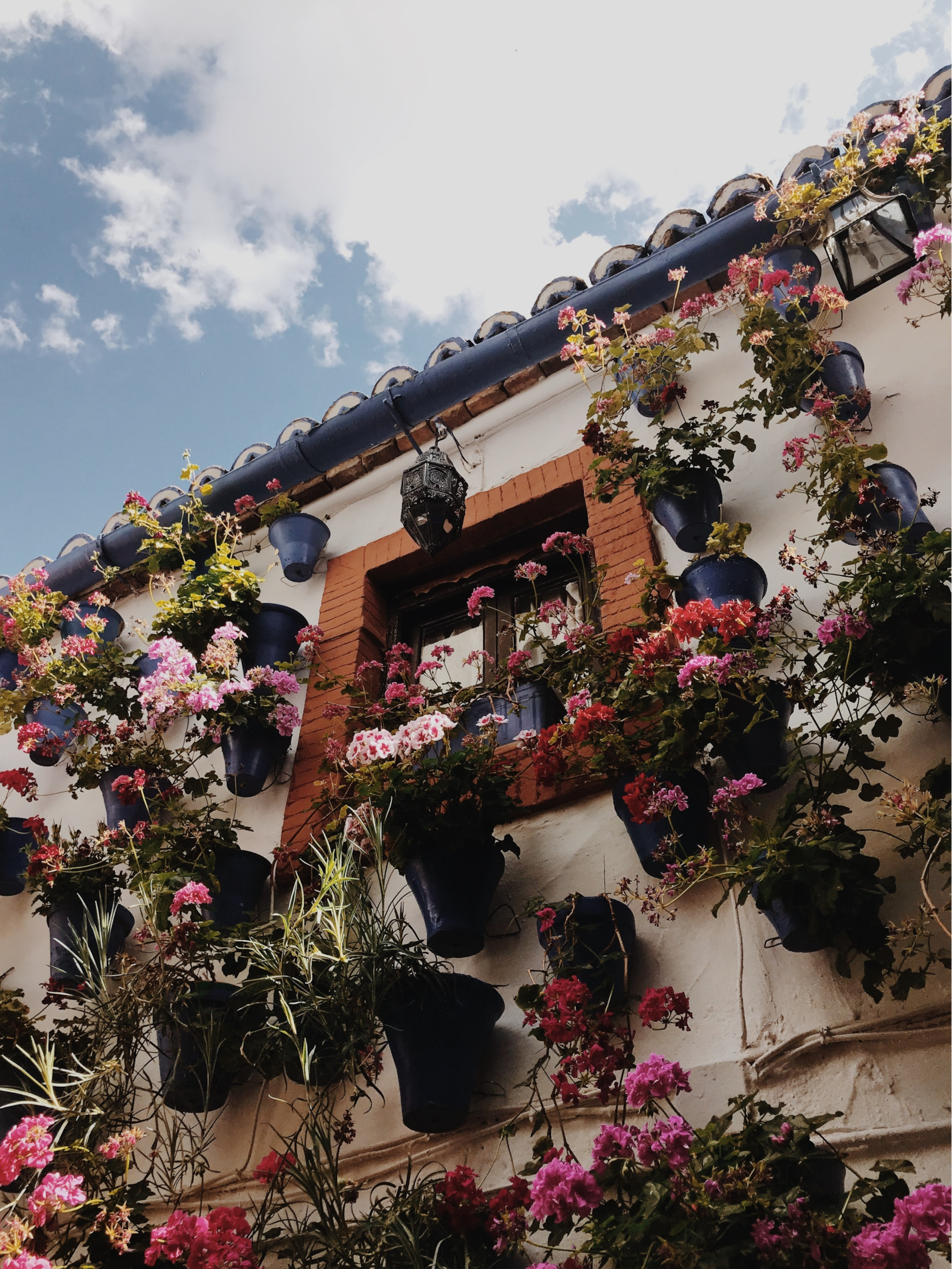
Smaller, lighter planters that can be easily distributed are naturally best suited for this. Placed criss-cross, they have a great effect. Accordingly, they are suitable for smaller balcony plants. If the planters are large enough, wild tomatoes, sweet potatoes, or melon pears also feel very comfortable in hanging baskets.
Green walls and ceilings: climbing aids and hanging baskets
Less water wastage. If you start watering from the top, with the right hanging system, the excess water can run into the pots of the plants below.
Raised beds: The alternative for container plants
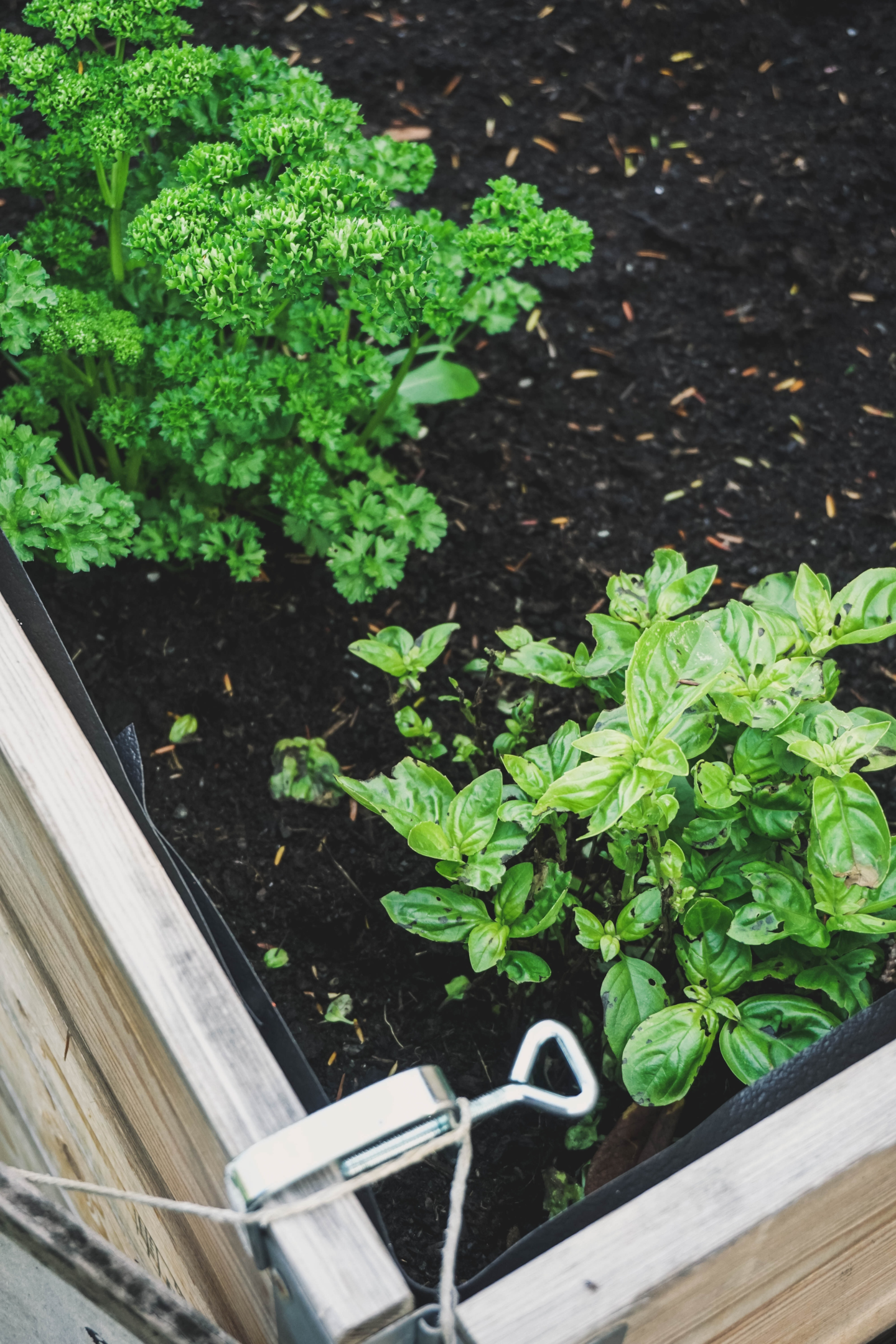
Raised beds are not only available in large formats on roof terraces – there are fundamentally no limits to the imagination for raised bed frames. You can build or buy them yourself from any material, in any height and width. This way, you will always find a place for your balcony plants.
Terracotta or wood? The different materials of flower pots
There are no limits here. The material is important for the look and color – you should feel comfortable in your balcony garden. But there are some advantages and things to consider depending on the material:
Clay pot: Terracotta & Co. offer a good climate for balcony planting
Who needs to go to the Amalfi Coast when your own balcony can be transformed into a Mediterranean oasis? Terracotta is probably the most popular type of clay pot and makes you feel like you're instantly in Italy. Due to their weight, they are particularly suitable for the ground, and balcony vegetables and flowers feel at home in them. Smaller vessels can of course also be used vertically.
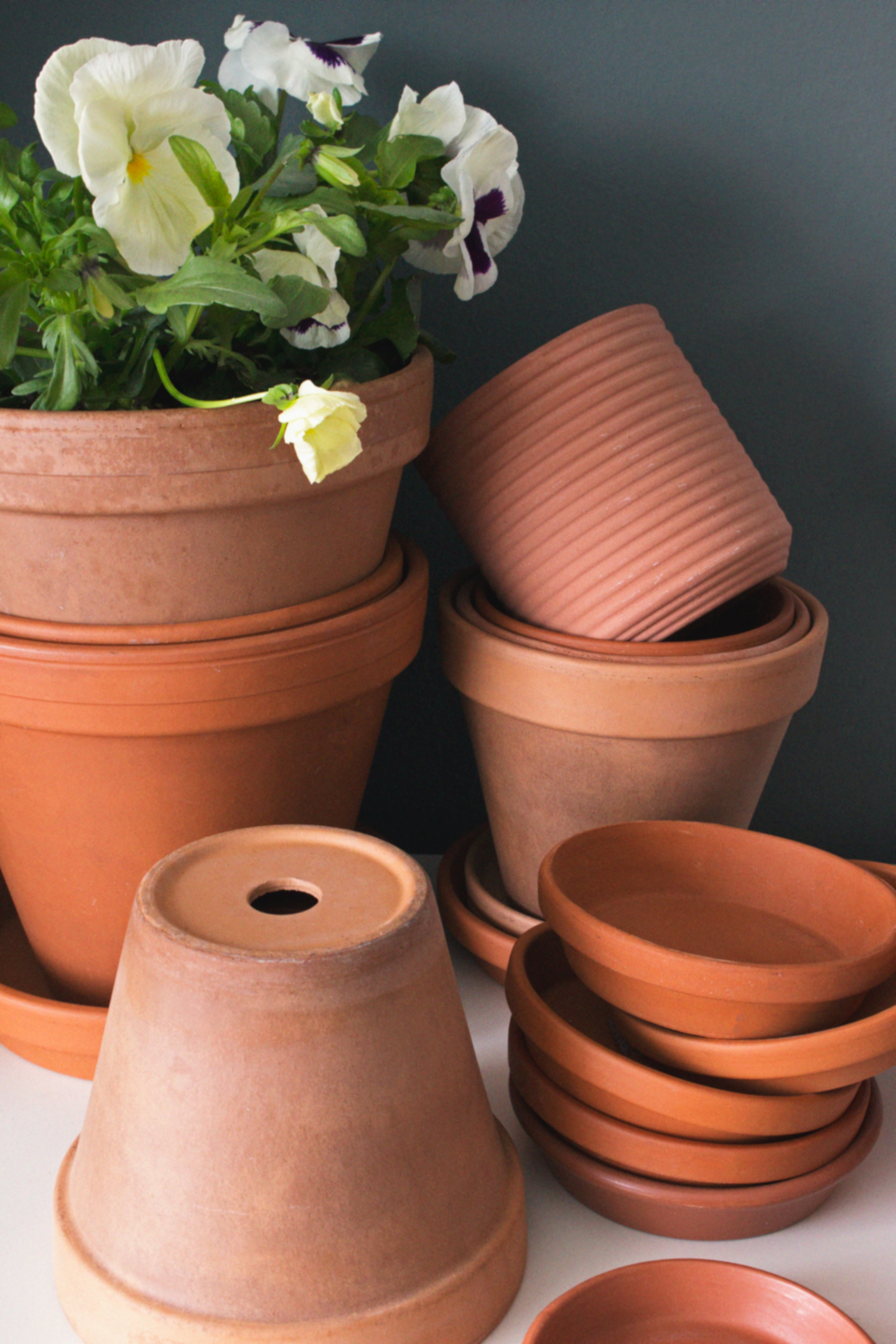
The advantage of clay pots: they are not only environmentally friendly, but also ensure a good microclimate. The material can absorb moisture well and release it when warm – water evaporates through the walls. Caution is only advised in freezing temperatures, as the clay can crack! Clay pots also have a high weight – so be careful when lifting!
Plastic: The functional all-rounder among flower pots
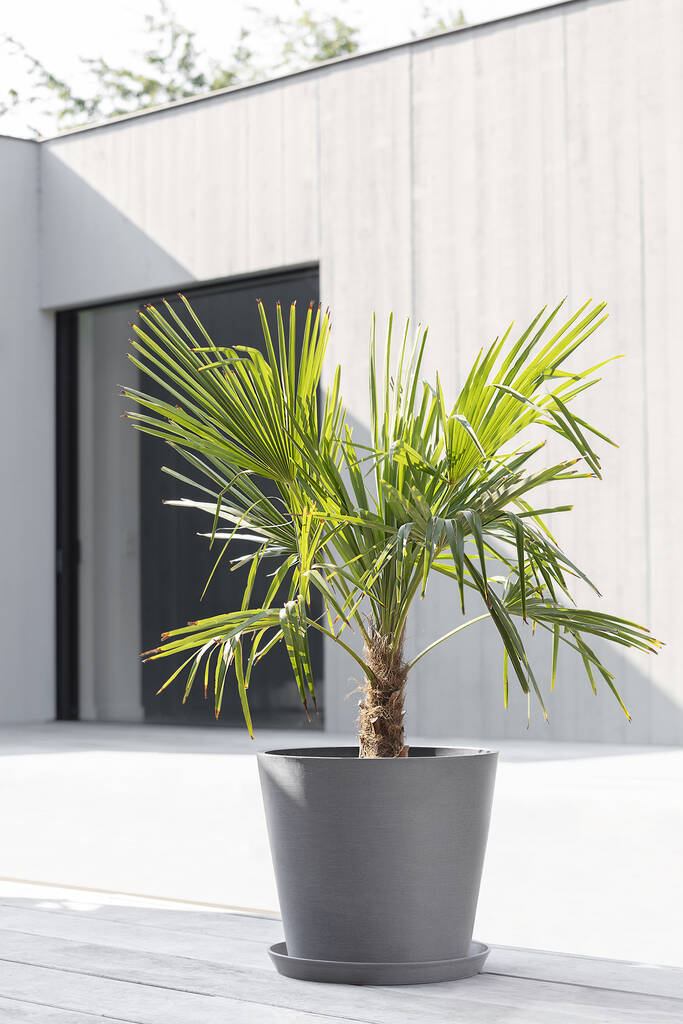
Highly functional, lightweight, and colorful – that's the best way to describe plastic flower pots. They don't store moisture and therefore have a higher soil temperature. No chance for algae and moss! They are easy to clean, reusable, and, due to their low weight, easy to incorporate into wall constructions or your balcony railing. Plastic containers can also be very environmentally friendly if they are made from recycled material.
Ideas for tomatoes and other vegetable plants
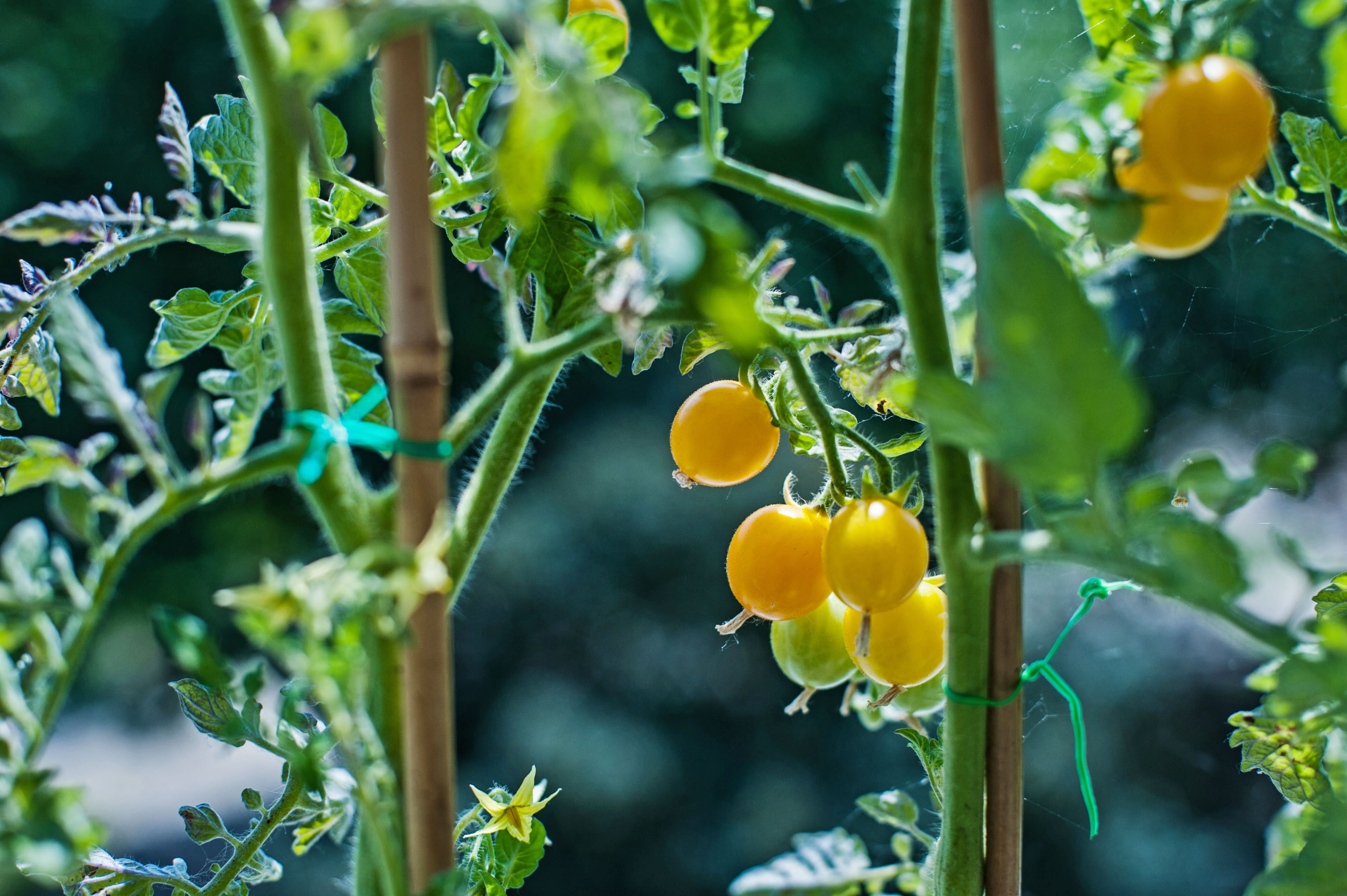
Tomatoes are popular plants for the balcony. They are particularly suitable for sunny locations and south-facing balconies, where the right characteristics of the planters are essential. In particular, tomatoes need good watering and have specific requirements for the size and depth of the container. A balcony box or even a window box is not suitable for them. If the container is too small, they will hardly flower and will not be as beautiful and green as you would like. The same applies to other vegetables like beans. A pot for vegetable plants should have a depth of at least 25 cm and a volume of at least 15 liters. Together with good watering, fertilization, and the right environment, ideally facing south with sufficient sun, nothing stands in the way of a great harvest.
News for planting - integrated irrigation
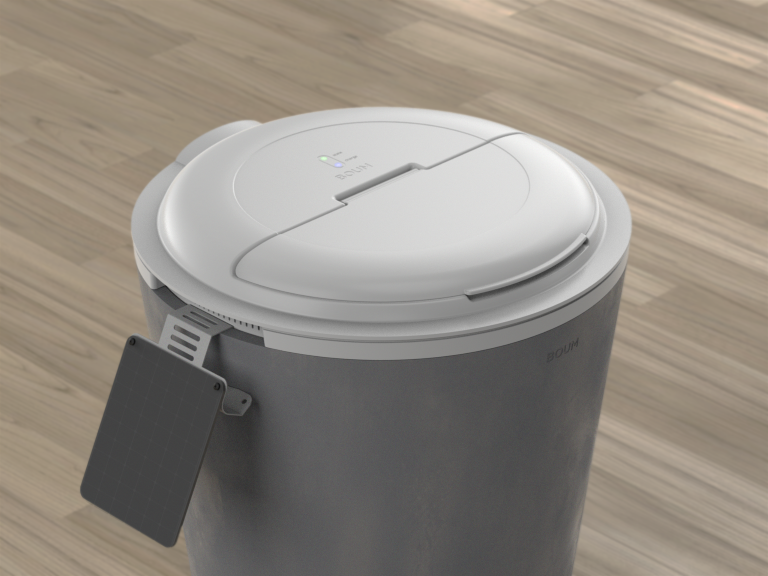
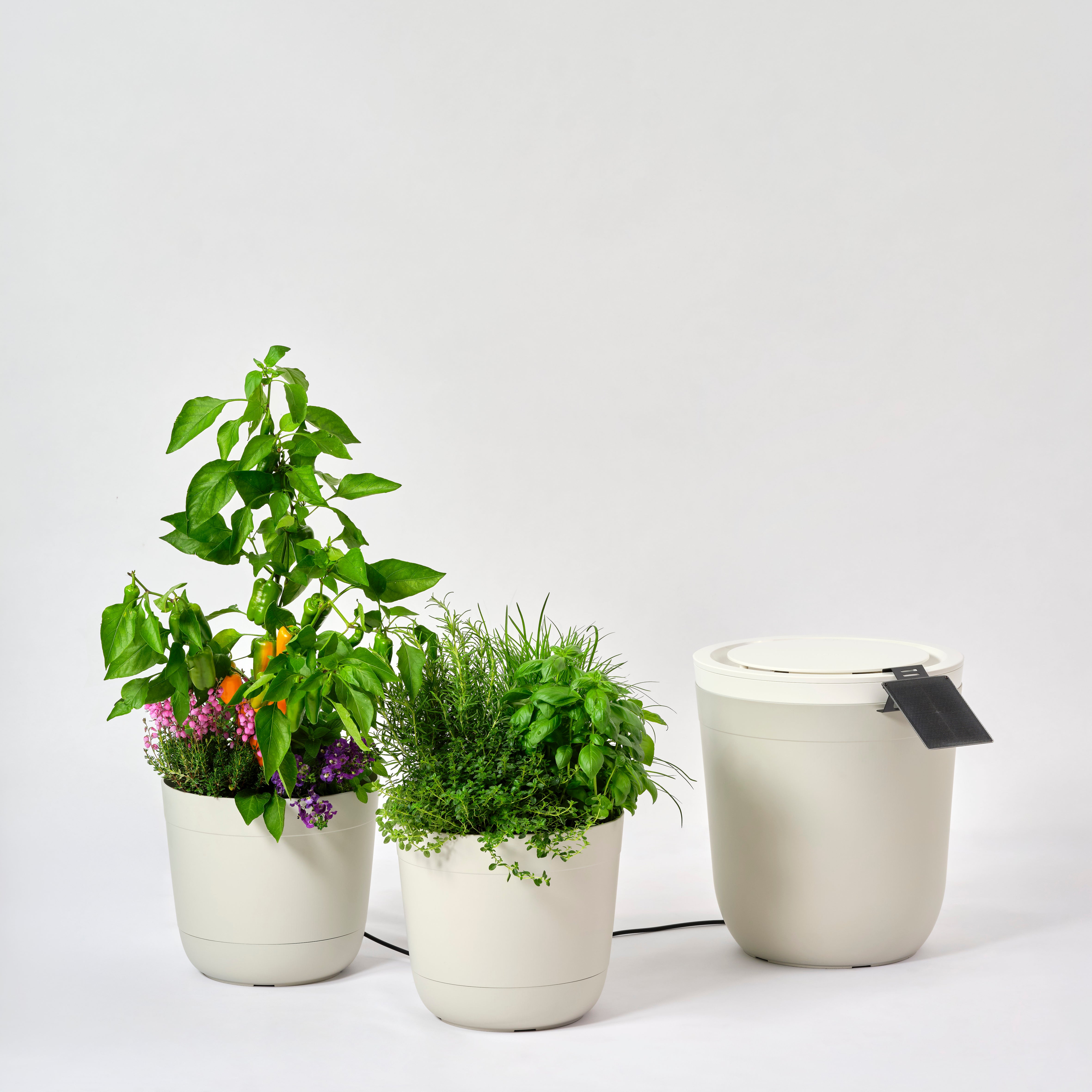
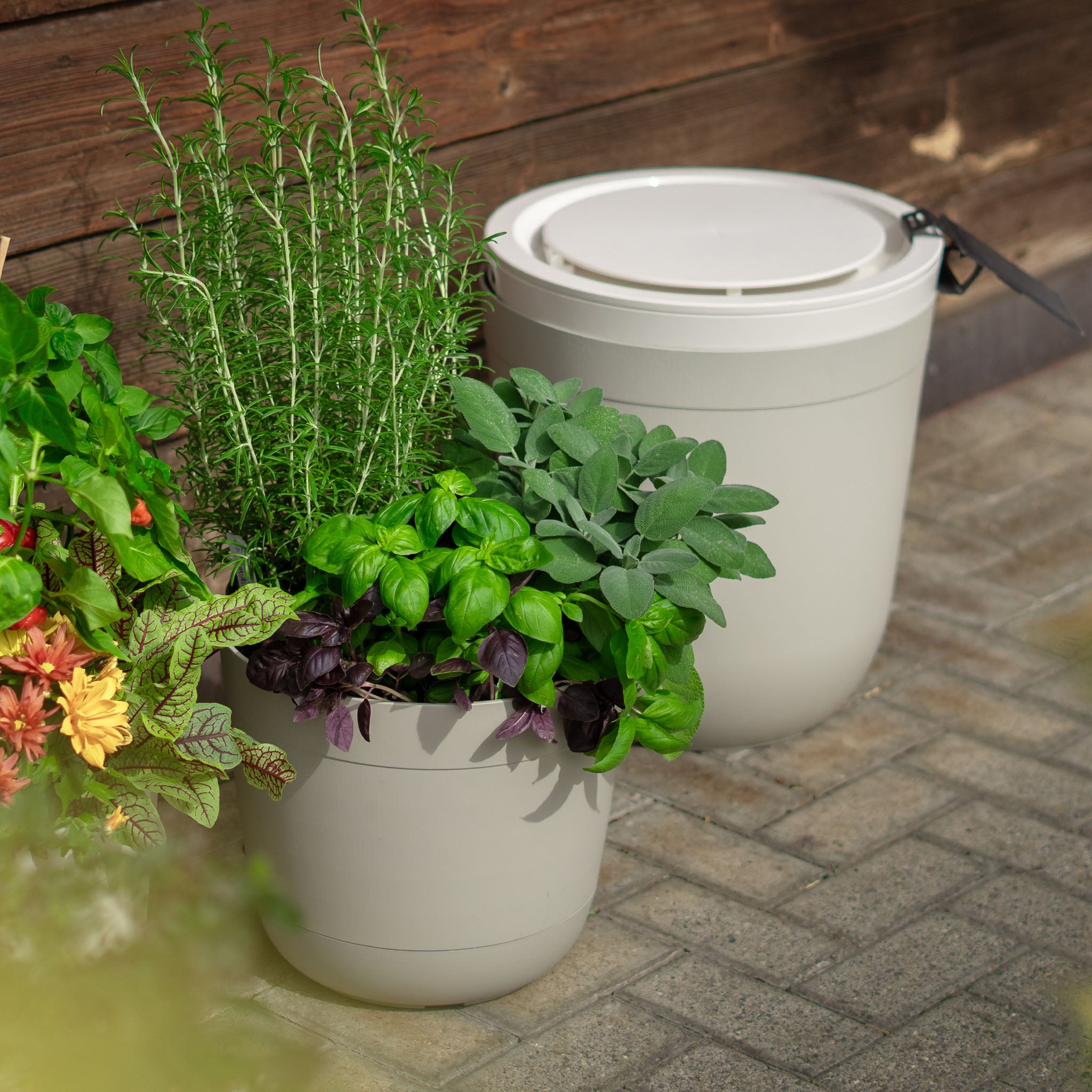
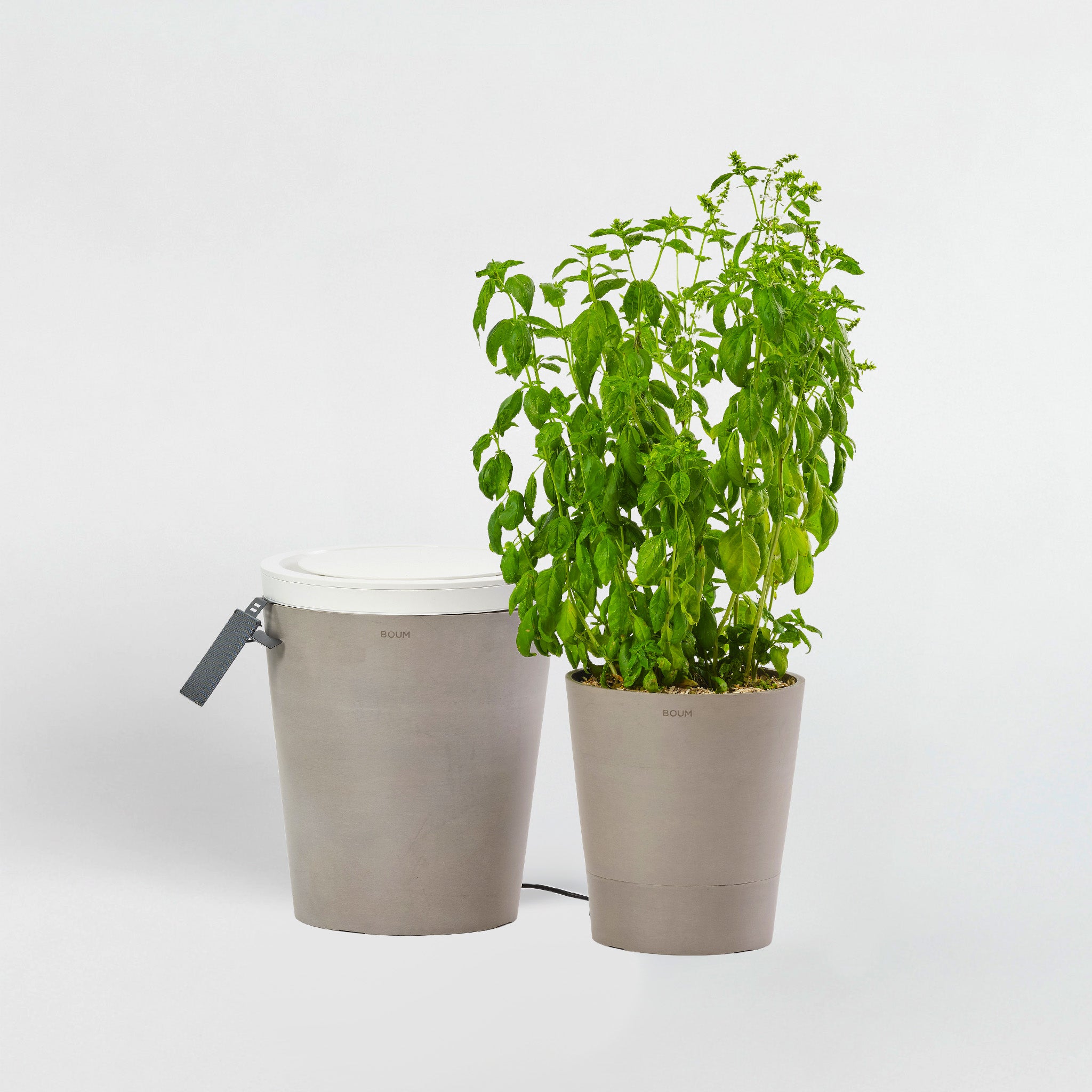
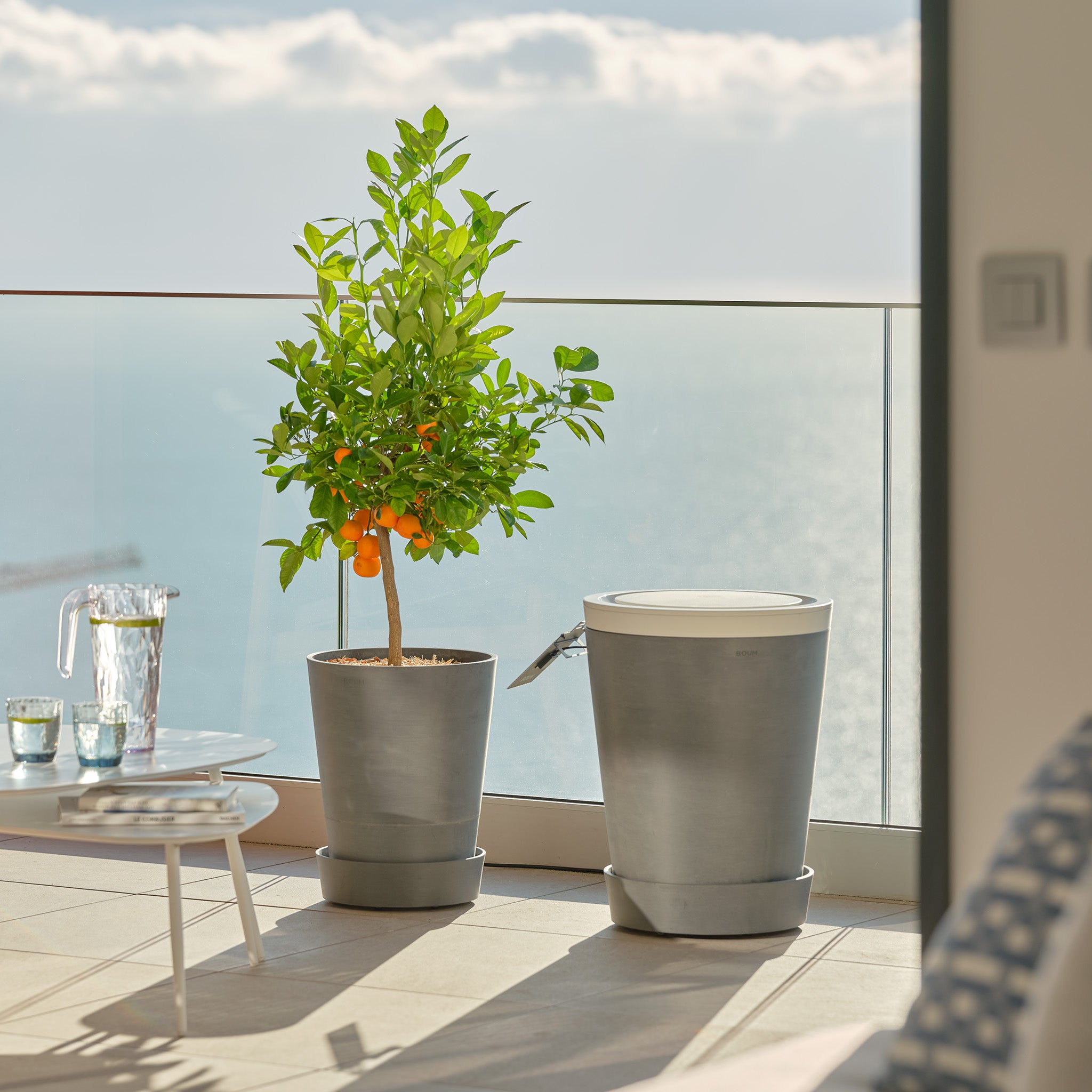
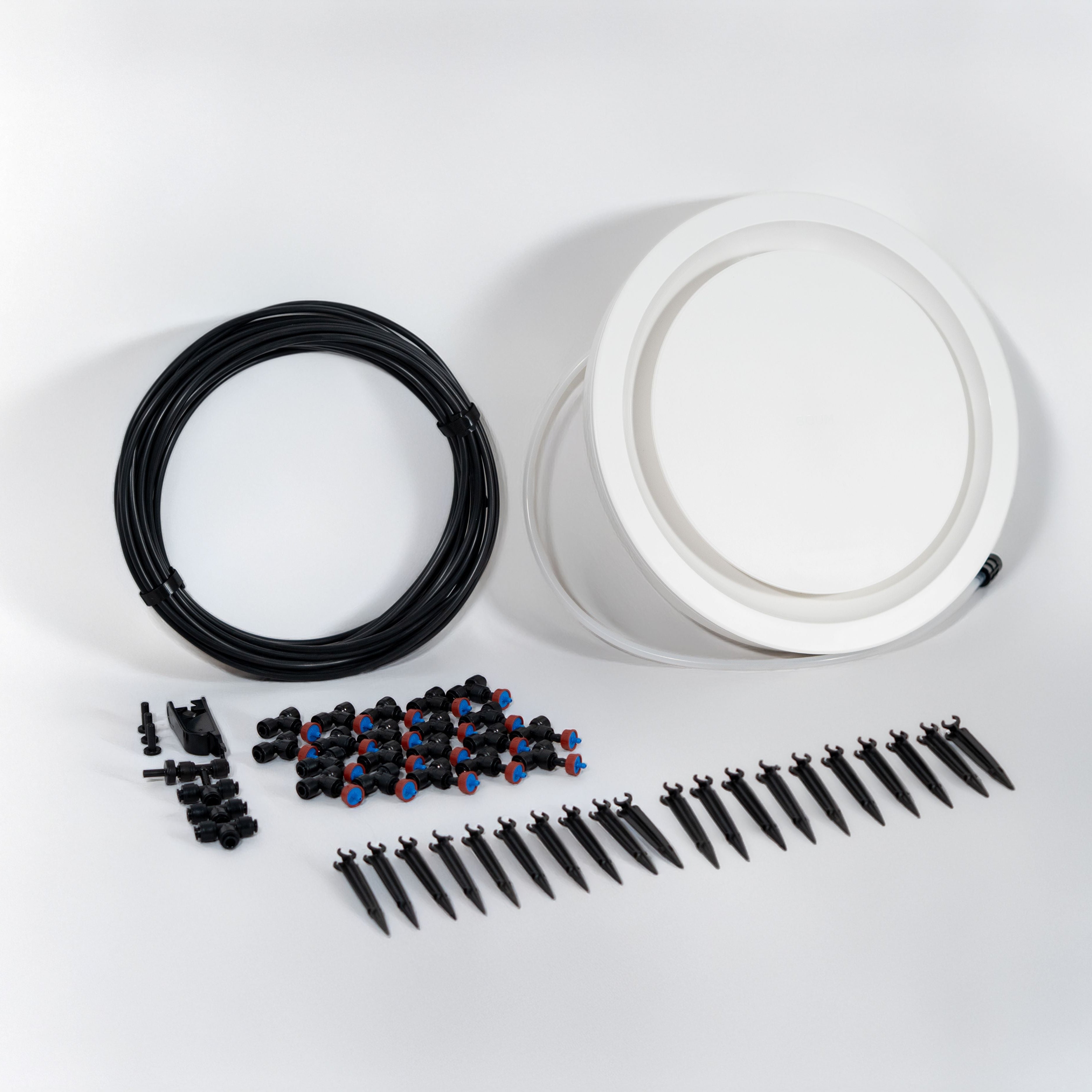
Planters in all shapes and colors are almost as old as mankind - and yet there are always ingenious innovations that facilitate the cultivation of balcony plants. In particular, integrated irrigation systems have come onto the market in recent years. Since watering can be extremely tedious and a real problem during holiday periods, it is worth considering irrigation when acquiring planters. Many modern containers have an integrated reservoir that stores water for a few days. In summer, when the sun shines and makes plants on balconies and terraces sweat, whether in a sunny location or in the shade, these reservoirs are not enough. That's why initial startups like Boum (that's us :-) have developed completely integrated irrigation systems that supply planters and thus plants with water for weeks. These systems work similarly to drip irrigation, but are water-saving and aesthetic, as no tangled hoses are created.