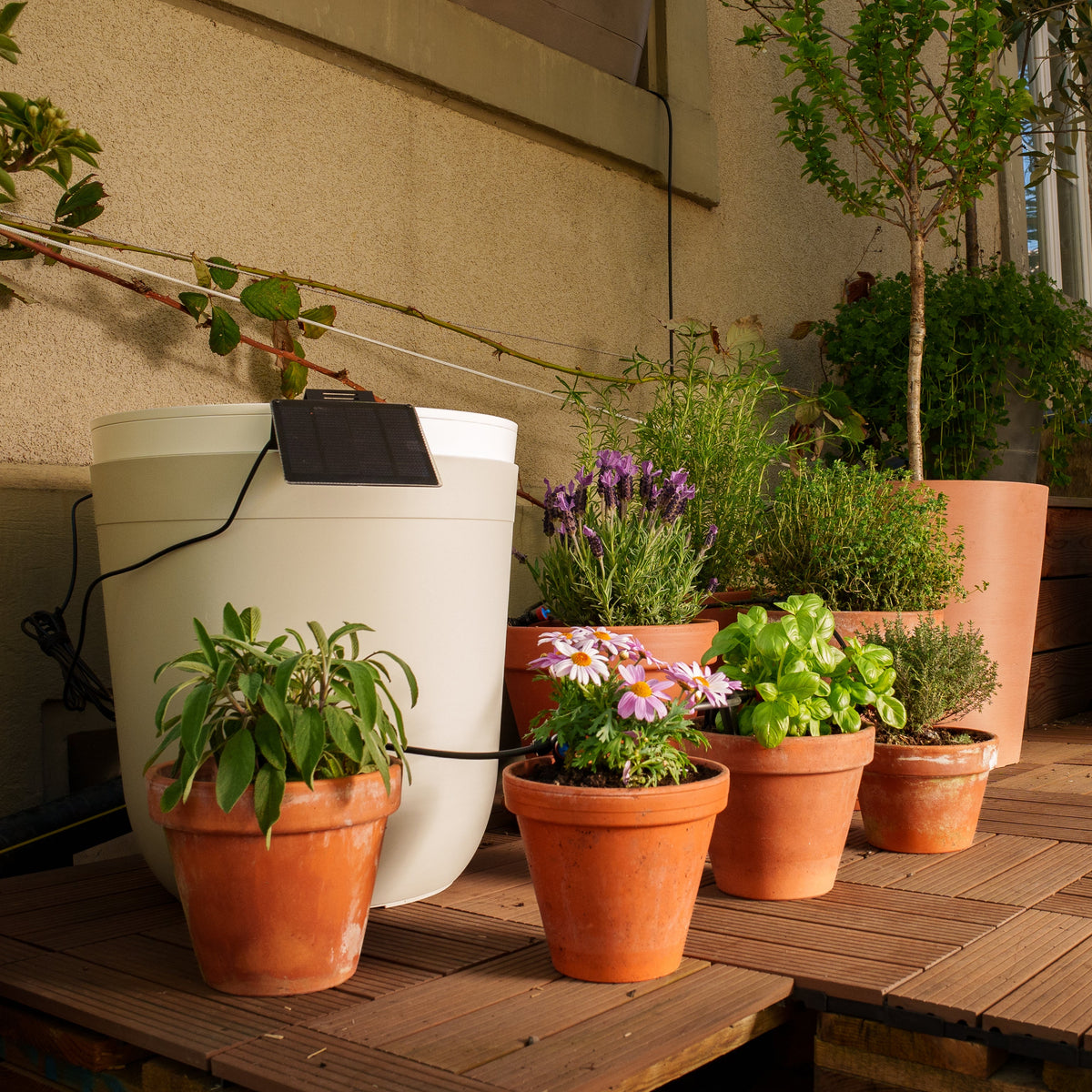

It's getting frosty! This means your plants need protection, and your balcony needs to be made winter-proof. But which plants should go indoors, which can stay outside, and what's the best way to prepare them for frost? We'll give you tips and tricks on how to get your balcony plants through the cold season – from flowers to small trees.
Overview: How to properly overwinter your plants
Which plants need special protection in winter?
Vegetables and basil in winter
These plants wanted to be warm
These plants can stay outside
Protect your plants in winter!
Which plants need special protection in winter?

When it gets colder, it's time to overwinter your plants. But how exactly does that work? There's no one-size-fits-all answer. Different plants have different needs. Some freeze quickly, others are less bothered by the cold. It all depends on which plants you have on your balcony. We'll give you an overview.
Vegetables and basil in winter

Annual vegetables – it's over after the harvest!
Pre-cultivate, plant, nurture, harvest. Growing vegetables is a lot of fun. However, the life cycle of most vegetable varieties ends after the last harvest. They are usually annual plants that are composted after their work is done. Next year, you can use what you've learned, plan anew, pre-cultivate, and look forward to your harvest. Maybe you'd like to try other varieties?
Basil behaves like a vegetable
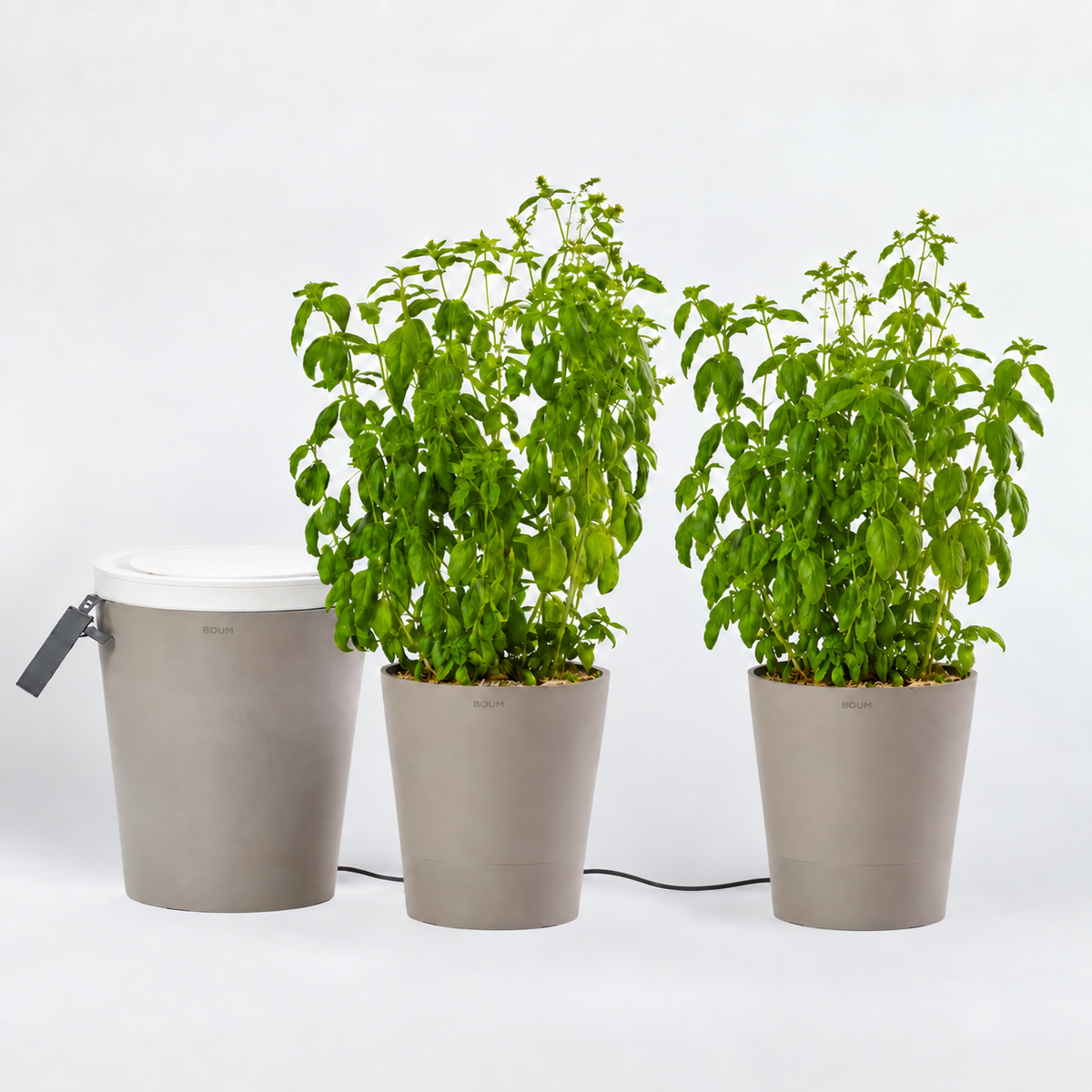
Basil cannot overwinter – the herb is considered an annual plant and behaves like a vegetable. You've had a lot of enjoyment from the plant over the summer, and in autumn, it's time to say goodbye. As soon as the basil no longer produces new leaves, you can compost it.
These plants want to be warm

From Mediterranean regions: How to properly overwinter citrus and olive trees
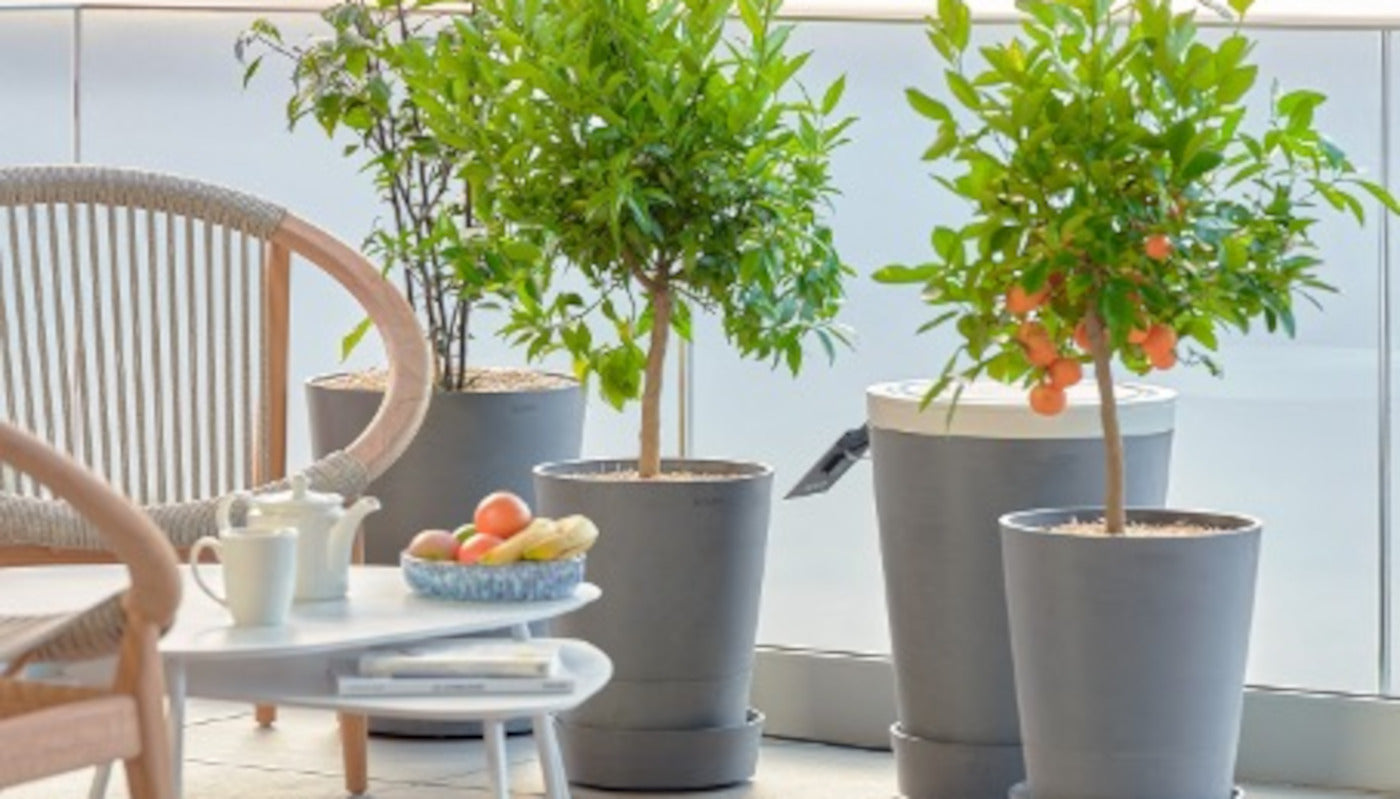
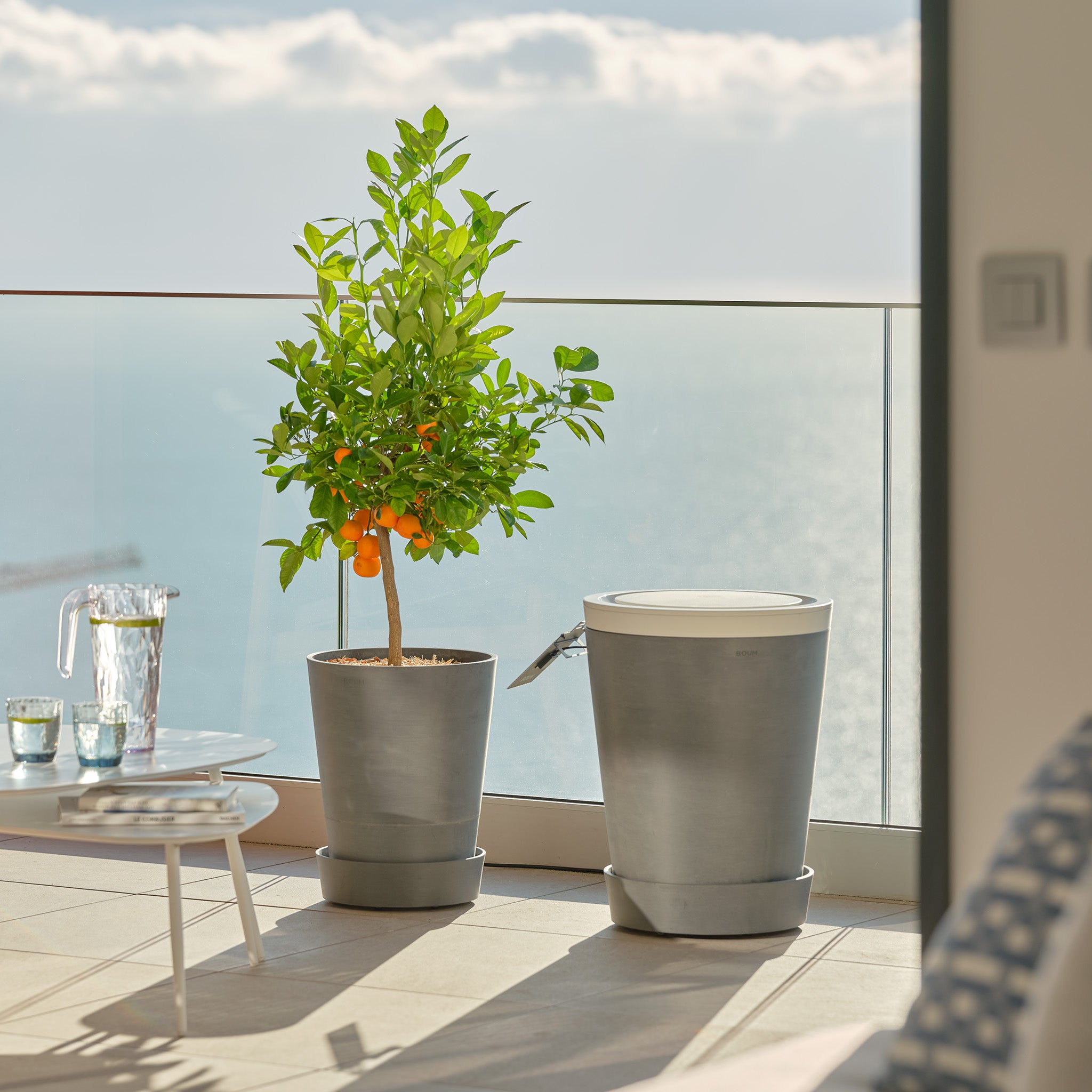
Small trees from the Mediterranean region like it warm. So it's best to bring them indoors, ideally into a hallway or cellar with daylight, or into a conservatory if you have the option. The location should ideally have a stable temperature of 10–13 degrees to simulate the cold season. However, light is still necessary – so please don't park the small trees in a windowless cellar.

Frost-sensitive flowers: Geraniums and Dipladenias, for example
Some popular balcony flowers like geraniums and dipladenias cannot survive the winter outdoors. They should be brought indoors at temperatures below 8 °C at the latest. Like Mediterranean trees, these flowers like it cool and bright in winter, 8–10 °C is ideal. But remember daylight! It's also best to prepare the flowers by cutting back the shoots to 10–15 centimeters.
These plants can stay outside

Fruit trees, herbs, and hardy flowers
Many plants cope well with winter in our latitudes, especially local plants, of course. As long as temperatures don't drop below –15 °C, they withstand the cold weather. This also includes various frost-hardy potted plants.
You can prune the trees according to your personal preference. Above all, branches that are either diseased or dried out should be removed. You should also cut away those that grow inwards. This promotes healthy growth in spring!
Wildflowers: How to prepare them for winter

Wildflowers are relatively resilient. Of course, they don't show their most magnificent side in winter, but they survive the cold. Cut them back to a few centimeters above the ground, then they will patiently wait for their next appearance in the coming year.
Protect your plants in winter!

Winter-proofing plants: protecting against drafts and frost
All plants that remain on the balcony in winter should be prepared for frost. Move them as close to a wall as possible, as very few tolerate cold drafts. In addition, plant covers protect against unwanted wind.
But be careful: these covers do not protect against frost! For frost protection for your balcony plants, materials like fleece, wool, or jute that you wrap around the pot are especially helpful. Additionally, you can place the pot on something insulating like a jute saucer to protect it from the cold from below. This keeps the roots warmer and protects against dying off if the frost penetrates the soil.
Watering in winter too – but correctly!

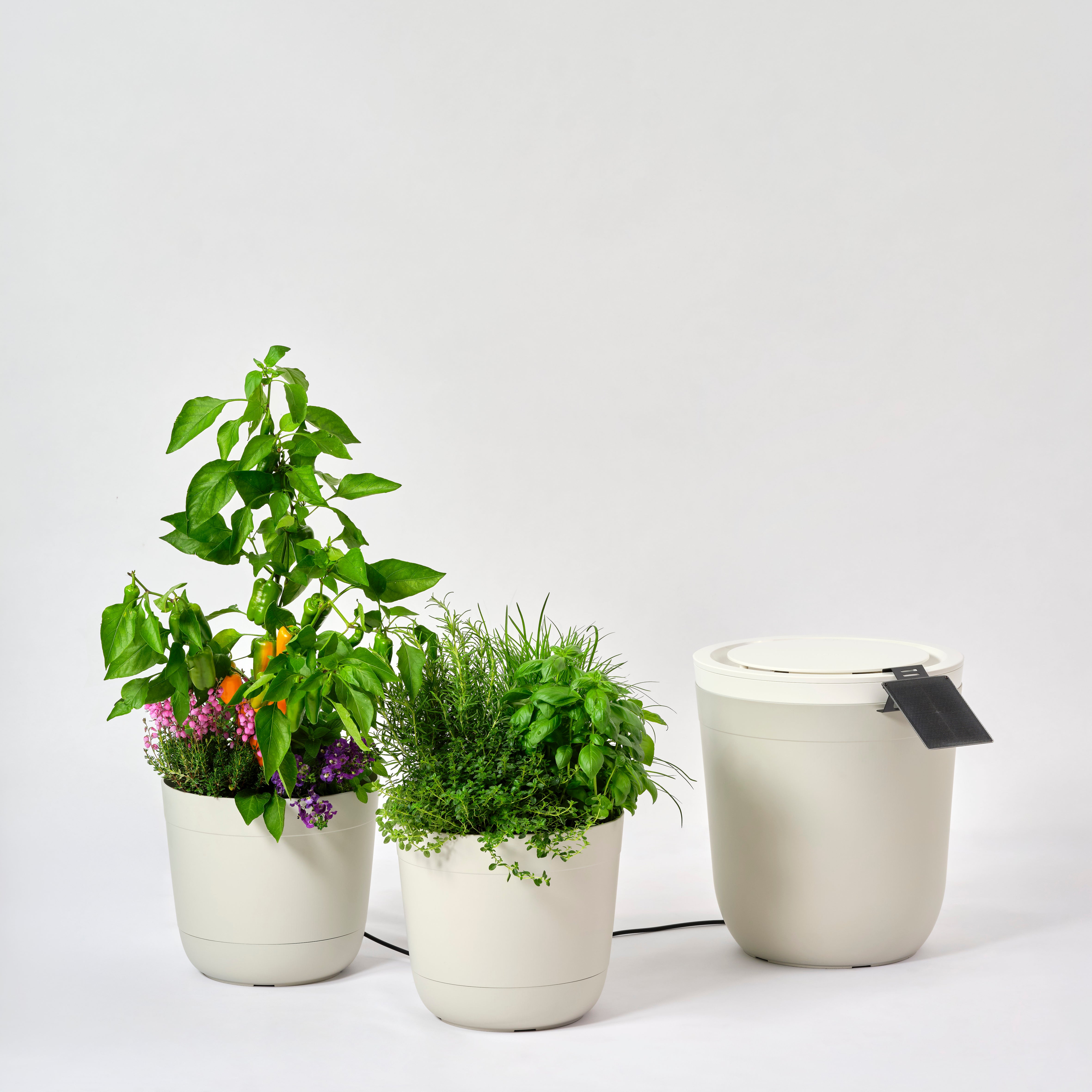
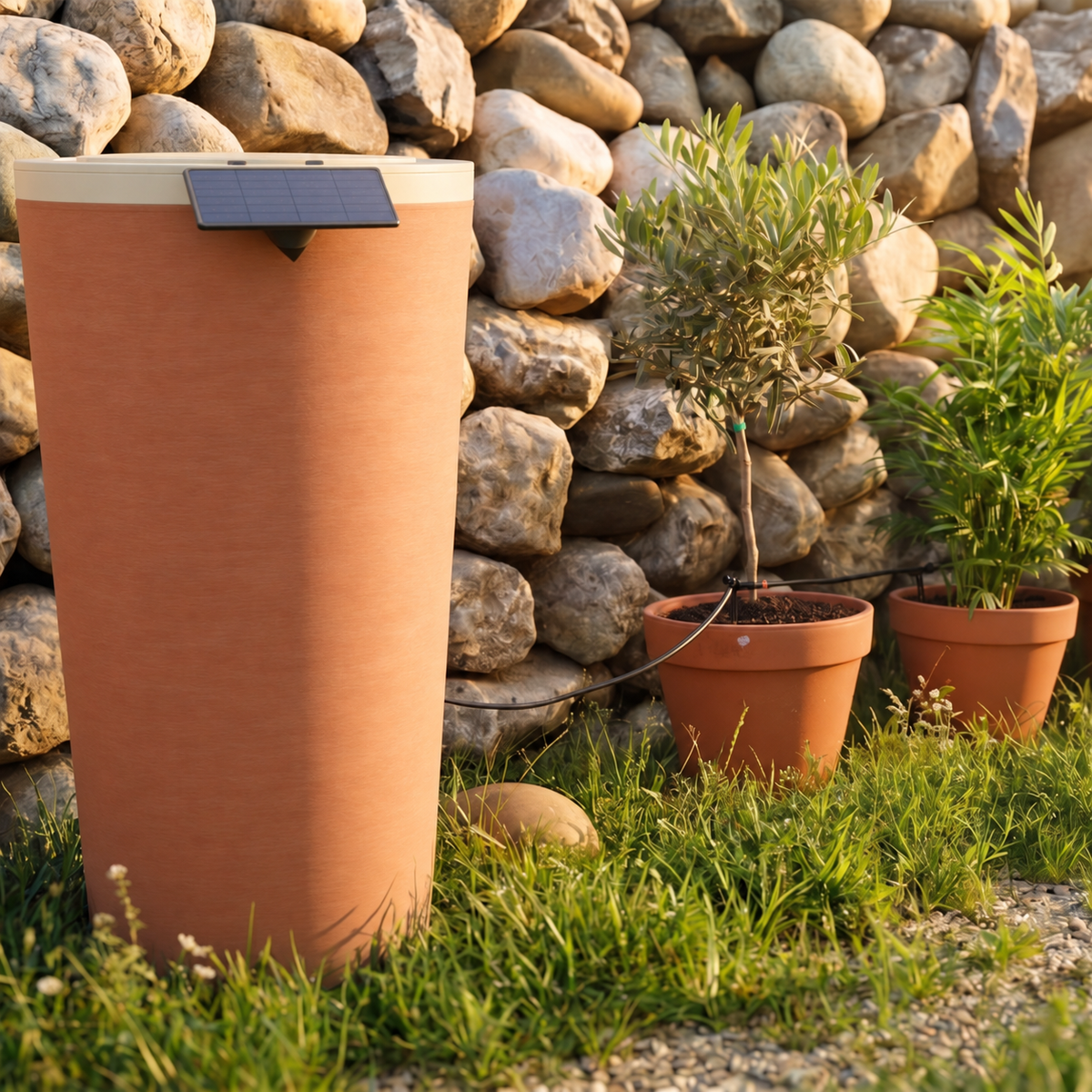
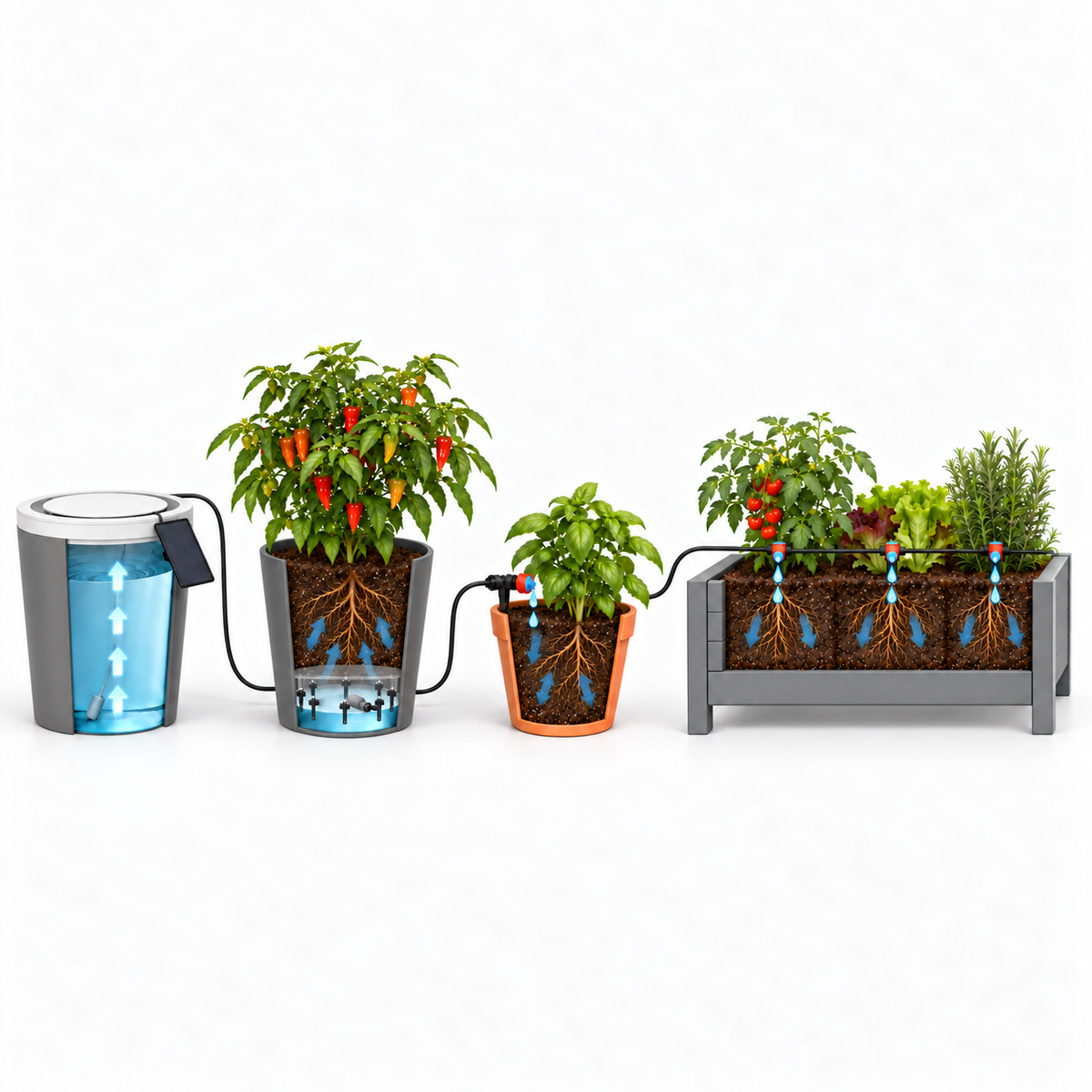
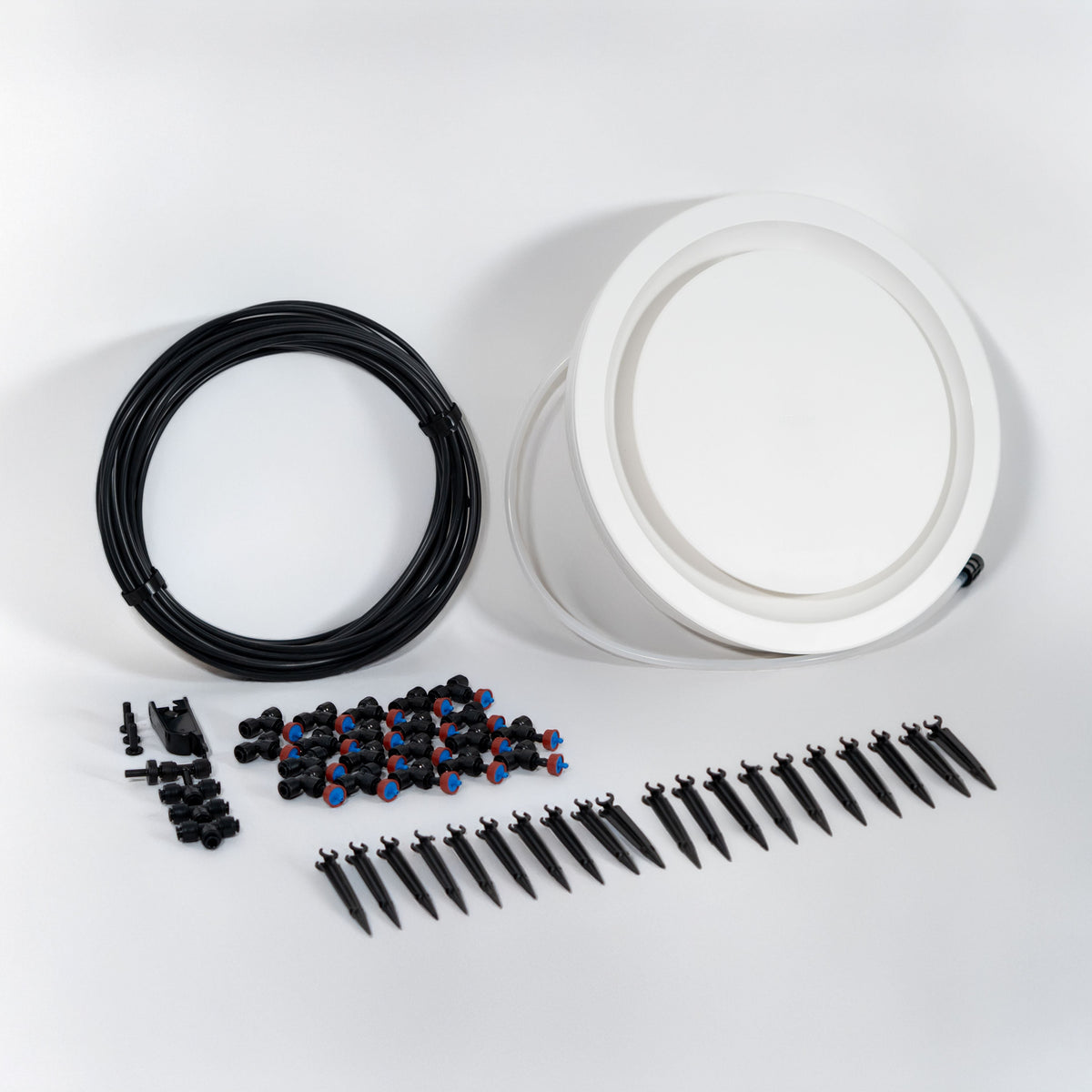
If you use water reservoirs, you should empty them before temperatures drop below zero. In this blog post, we explained how to make your Boum system winter-proof.
However, your plants are also thirsty in winter. This means you should water them during the cold season. Few plants die from frost; most dry out – either because they are not watered or because the water is frozen. Since little water is needed for evaporation through the leaves or for producing fruits, relatively little is enough: some water every two weeks should suffice, ideally when it is not freezing.